Tuesday, March 13, 2007
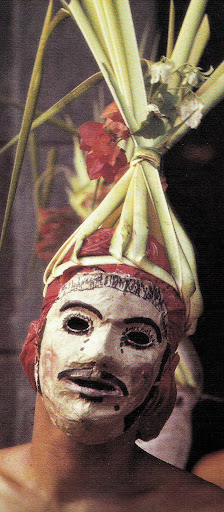 Photos from 'Cuaresma', edited by Gilda Cordero Fernando
Poetic is the changing of the seasons. Poetry seems more alive at the dying and rising again of all life, as the earth tilts—or averts its face—and some of its parts move into shadow, away from the sun as winter descends; and as the sun returns and the weather warms, and spring comes and life rises again from slumber and death.
Our Lents and Easters past go back farther into memory, the world’s memory:the cycles of the dying-and-rising gods of antiquity, from the Egyptian Osiris, the Semitic Tammuz, and the Persian (Zoroastrian) Mithra, among others, to, of course, our very own Christian Jesus.
In our own two-season zone at the central belt of the earth, Lent is the height of the dry season before the rains come back, during the traditional harvest months (before ‘miracle’ rice and multi-cropping). It is the purple season of the Cuaresma (forty days) of our Spanish heritage, when priestly vestments change colors from celebratory reds, crimsons and clarets, to the meditative, atoning violets and, while ‘God is suffering’ (at least in my home province of Albay, as far as I know), all religious images in church are covered with purple cloth.
Before this austere season is carnival time in the Western world (in Rio and New Orleans, for example) and in some places of our own. The celebrated ‘Cuaresma’ book edited by the great Gilda Cordero Fernando mentions two towns in the Philippines with carnival days before going into Lent. “At Tagkawayan, Quezon, folk riot in costumes, splattering ashes on all during the boling boling. Paoay, Ilocos Norte has the goling goling when residents don fancy costumes and dance in the plaza.” 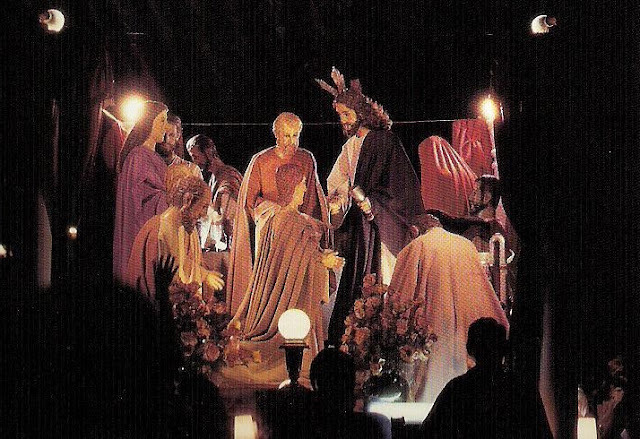
I remember joining a party of writer-friends on a Lenten trip to Lubao, Pampanga, Vet Vitug’s hometown. The party, if I remember right, was composed Rio Alma, Boy Martin, Teo Antonio, Mike Bigornia and myself. We stayed at Vet’s house, drunk the whole night, and the following morning trekked to a nearby rice field (newly harvested) to watch the live crucifixion of a man who had made a yearly panata (vow) perhaps to ask God a favor or atone for a grievous sin. The vow had become a show (and inspiration for my poem ‘The Passion of Donald Rexford’).
In Daraga, my hometown, Holy Week was also as festive in my memory. We small children watched and listened to the ‘Insipit’ (I fail to find the etymology for this word), the reading/singing of the Pasyon and the special recitata to the Dead Christ or Santo Entierro. The whole session was broadcast by turmpet speakers and heard all over town. We kids lingered or loitered around the house of the family who was the protector of the rebulto (an inherited privilege) and waited to be invited to eat the especially prepared lunch or merienda (meal usually of fish and rice wrapped in a leaf, or sweet rice and rice cakes) for the singers.
In March last year, during another Holy Week, national artist and close friend Rio Alma launched his perhaps 16th book of poems (he launches one, poetry or criticism, every March 9, his birthday). In purple jacket carrying the classic Ang Kiukok stunned-Christ Divino Rostro. The bilingual Sonetos Postumos carried my translations. I select three from sixty-one annotations of a pilgrimage to and peregrination around a strange new Holy Land. (The poems and translations are in the next posting.)


0 Comments:
Post a Comment