Friday, May 25, 2007
DIOS MAMAHES BATANES! (Back from the Edge IV: Ivatans at the Cutting Edge)
Posted by Marne L. Kilates at 4:01 PM
If they work mainly for themselves, that’s because the world is an island most of the time for Ivatans. Those who couldn’t put up, cut out and went to the U.S. or Canada, when they could afford it, or to the Middle East and Hong Kong when they couldn’t. That’s the story not just of the Ivatan but of the Filipino—who, sometimes, because his home is no longer comfortable and safe, must seek refuge in the world. 
Still, Ivatans (meaning ‘natives’, as opposed to Ipulas, meaning us, strangers to their islands), are open to the world itself, Batanes being the next “emerging” destination according to the tourism department. Well, it will not emerge if government does not invest in it, its infrastructure, or make sure that its economic life does not stop when the storms isolate the islands from the mainland and each other. But within, among the turbulent currents of the merging seas of China and the Pacific, Batanes is building itself, strengthening its body and hopefully its soul, with its many capable sons and daughters leading Batanes not just to the future but to a future conscious of its heritage. Nature is generous in all respects to Batanes—in beauty and danger and risk, as sheer as the drops from, but not unpredictable as, its zigzag roads cut into the mountainside, as sharp as its karst and limestone cliffs. But despite and perhaps because of all that, ungratefulness is not a trait of the Ivatan. Instead you always hear around the islands, “Dios mamahes!” God will repay. From us, Ipulas: Thank God for Batanes! 
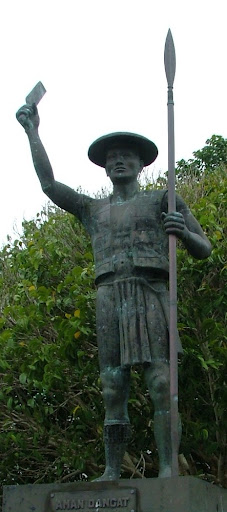
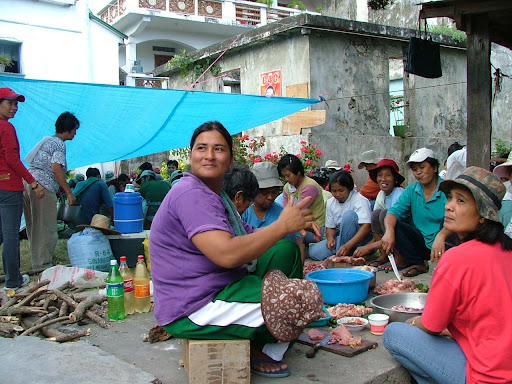
PHOTOS, from top: (1) Boat man at Diura; (2) Concrete 'jackstones' for wharfs and breakwaters, fabricated on-site near the Ivana port; (3) Communal cooking for a communal job; (4) An unforgettable Basco dusk; (5) Kenan or Aman Dangat, the local hero and protomartyr who suffered exile and death after refusing to submit to Spanish colonial authorities, sculpture by National Artist Abdulmari Imao 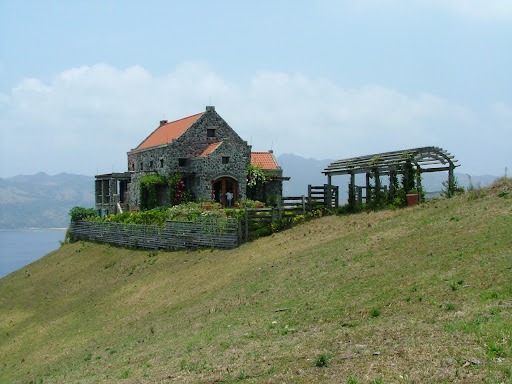
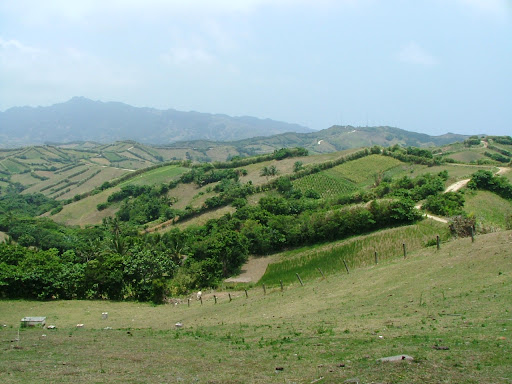

PHOTOS: (6) The Pacita Abad museum on Tukon. Premier Filipino artist of native textures and materials, the late Pacita Abad is an illustrious Batanes daughter; (7) Slopes showing hedgerows marking boundaries of communal farms, as seen from the museum; (7) Yellow dusk at the Butch and Dina Abad residence, on the same highland; (8) Our able and knowledgeable guide Bryon Peralta; (9) The always gracious and lovely Congresswoman Dina Abad hosting a dinner for us (note Pacita Abad art in background) 


0 Comments:
Post a Comment